The stakes go beyond annoyance. New York's Department of Agriculture warned in December 2024 that an uncontained spotted lanternfly (SLF) population could cost the state at least $300 million per year, hitting grape and wine production hardest (source). Pennsylvania's own modeling, based on a 2019 study, put a statewide uncontrolled scenario at $324 million annually and over 2,800 jobs across viticulture, orchards, nurseries, and timber.
This guide covers what actually works: proven swatting techniques, the traps experts recommend, the methods to skip entirely, and why a purpose-built tool changes daily control from a chore into a routine.
Key Takeaways
- Swatting is chemical-free and effective on reachable adults and nymphs; a durable, balanced swatter beats flimsy ones.
- Circle traps are Penn State’s wildlife-safe pick; uncovered sticky tape can catch birds and bats.
- Scraping egg masses from fall through early spring eliminates dozens of future nymphs per mass.
- Skip dish soap sprays, tree torches, and released mantises — unproven methods that often cause harm.
Understanding the Spotted Lanternfly Threat
Spotted lanternfly (SLF) has one generation per year, and each life stage calls for a different control approach.
- Eggs — laid September through December, overwintering on bark and hard surfaces, hatching roughly late April through June.
- Nymphs — four instars; the first three are black with white spots, the fourth turns red with white dots and black stripes.
- Adults — active from July until the first hard freeze, when they lay the next round of eggs.
Tree of Heaven (Ailanthus altissima) is SLF's favorite host, especially for fourth-stage nymphs and adults. Removing it from your property can meaningfully reduce local populations. That said, Penn State notes SLF doesn't require Tree of Heaven to complete its life cycle: late-season adults readily move to grapevines, silver maple, and willow instead.
Even when those hosts are covered in insects, SLF still isn't a health threat. It doesn't bite or sting people or pets, according to both Cornell and University of Maryland extension programs. It's a nuisance and agricultural pest — which is why non-toxic swatting and trapping remain the go-to strategy over broad pesticide use.
Best Swatting Techniques & Why the Right Flyswatter Matters
Manual crushing and swatting is a legitimate, extension-supported method for any SLF you can reach. Penn State lists it as a direct alternative to spraying, and University of Maryland recommends crushing nymphs and adults with gloved hands, shoes, or a flyswatter.
Skip the folklore. Online claims that SLF have "poor rear vision" or a "weaker second jump" don't hold up. A 2023 biomechanics study on SLF jump mechanics found no evidence for either idea. Nymphs and adults jump ballistically and land successfully on about 59% of attempts, with no pattern showing later jumps get weaker.
Build your approach on basics instead: move in steadily, commit to one decisive strike, and crush anything you knock down before it recovers.
Low-cost backup options:
- Hand-catching with a gloved grip, then crushing
- Rubber bands snapped at close range for smaller nymphs
- Careful vacuuming in spots where swatting or spraying isn't practical
Why Cheap Swatters Fail
SLF have tougher exoskeletons than house flies, and repeated strikes against bark, siding, and stone add up fast. Dollar-store swatters bend, crack, or snap their wire frames within days of daily patrol use, right when you need them most.
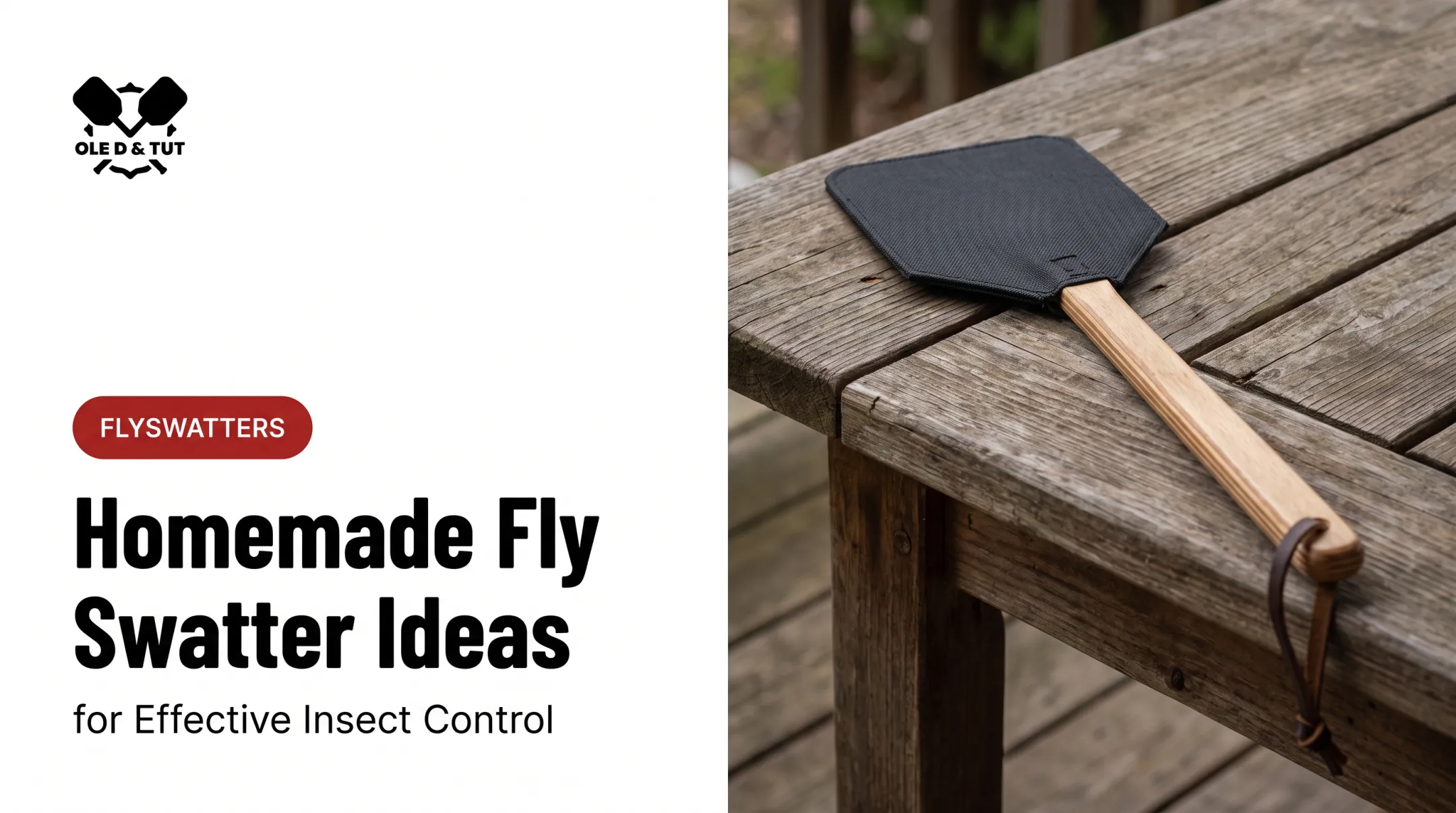
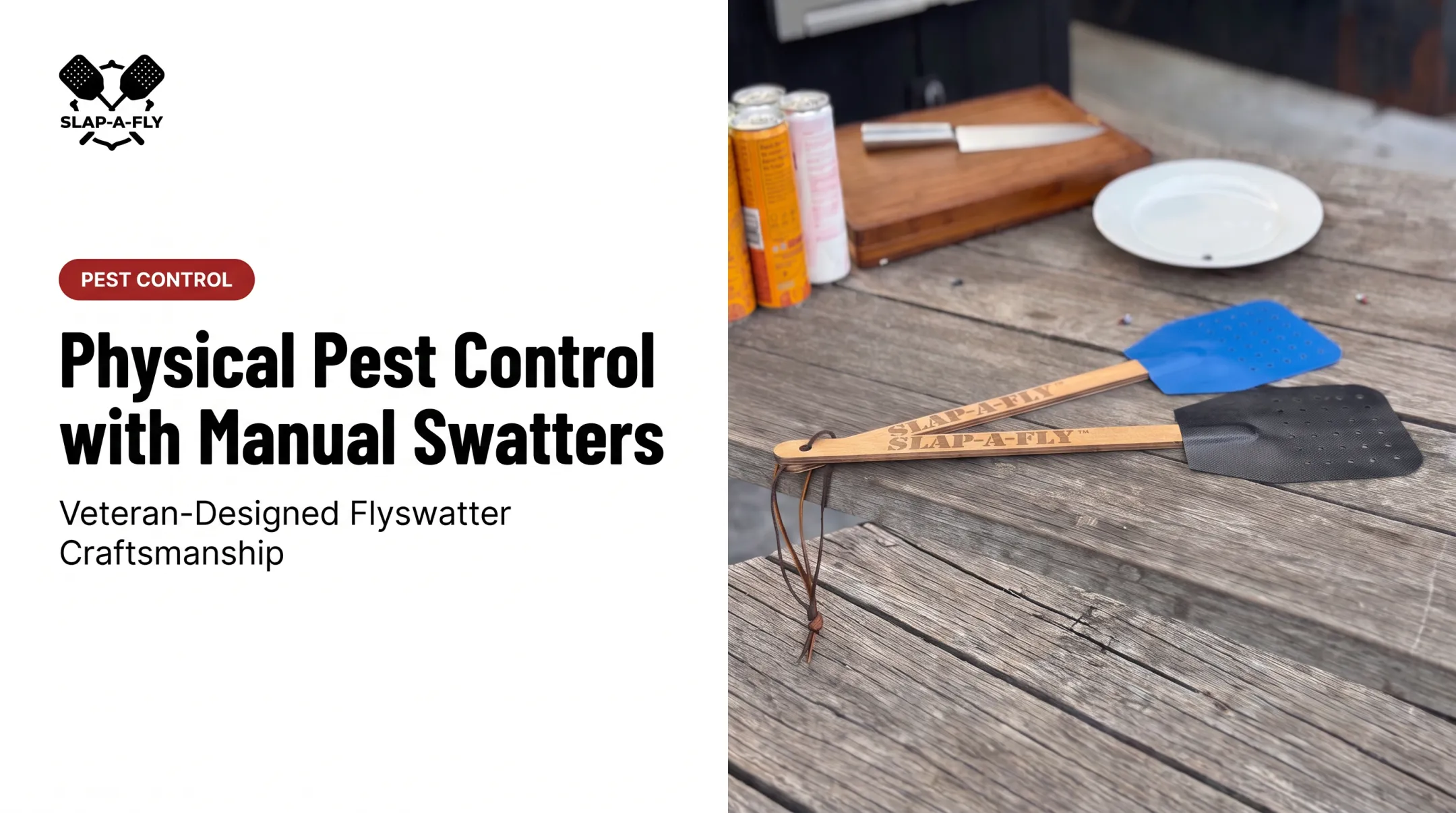
This is where construction matters. Slap-a-Fly's flyswatter uses a Herculite 80 fabric striking surface rated to 80 PSI impact force - enough force for large tough bugs like cockroaches, wasps, and armored insects - not just flies - and built to MIL-SPEC standards, paired with a 5-ply aircraft spruce handle (the same wood grade used in military cargo planes). The perforated head cuts air resistance on the swing, so you get a faster, more controlled strike without giving up head weight.

- Standard ($19.99): Everyday indoor and outdoor use on decks and porches
- XL ($24.99): Extended handle for higher branches, siding gaps, or distance from stinging insects mixed into SLF swarms
Both include a storage loop for hanging by the door on grab-and-go daily patrols. Customers report first-try mid-air hits and a build that holds up on tougher bugs where flimsy plastic swatters bend or crack.
Best Traps for Spotted Lanternflies
Traps work best during nymph season, when SLF instinctively climb tree trunks. Here's how the main options stack up.
Circle Traps: The Expert-Recommended Option
A circle trap wraps around the trunk with a mesh cone that funnels climbing nymphs into a mesh collection bag before they reach the canopy. Penn State specifically favors circle traps over exposed sticky bands because they carry far lower risk of catching non-target wildlife.
A published trap study found mesh collection bags outperformed plastic bags. Mesh captured 70% of fourth-instar nymphs versus 30% for plastic, and 57% of total SLF across three seasons versus 43%. Smooth bark works better than deeply grooved bark, since grooves give bugs an escape route around the trap.

DIY Sticky-Band-Plus-Hose Method
Wrap the trunk in sticky tape about four feet up, then periodically spray the bark with water or air to dislodge stuck bugs and force fresh ones back into the band. Cornell notes bands can catch both bugs climbing up and down. The catch: bands lose effectiveness once full, and they need weekly monitoring at minimum.
Bucket and Lid Method
Simple soapy water or vinegar-water in a wide container catches SLF that are knocked or funneled into it. Low-tech, low-cost, but labor-intensive for larger infestations.
| Method | Cost | Effort | Wildlife Risk |
|---|---|---|---|
| Circle trap | Moderate (DIY materials) | Low once installed | Low |
| Sticky band | Low | Weekly monitoring required | High if uncovered |
| Bucket/soapy water | Very low | High (manual collection) | Low |
Critical safety note: Any sticky-surface trap must be caged or screened. Uncovered adhesive doesn't discriminate. Penn State's own guide lists butterflies, bats, small birds, and lizards as documented bycatch.
Methods to Avoid
Not every SLF "hack" circulating online holds up. Extension researchers have specifically flagged these as ineffective, harmful, or both.
- Exposed sticky tape or spreadable goo — traps birds, bats, and pollinators along with SLF
- Dish soap sprays — Penn State classifies these as untested home remedies that may harm plants, pets, and people
- Propane torches on trees or structures — fire risk with no general safety endorsement for residential use
- Broad-spectrum insecticides — USDA APHIS warns these can be toxic to non-target pollinators like butterflies and moths
- Purchased praying mantises — NC State Extension notes most sold online are non-native Chinese/Asian mantids with no demonstrated pest-control value; they attack indiscriminately, including hummingbirds and beneficial insects
Skip the shortcuts. They cause more damage than the SLF problem they're meant to solve.
Destroying Egg Masses Before They Hatch
This is the highest-impact window in the entire control calendar. One mass, destroyed in February, prevents dozens of nymphs come May.
Identification: Look for grayish-brown, putty-like smears roughly an inch long on tree bark, rocks, and outdoor furniture.
- New masses look creamy and smooth
- Older ones dry out and crack like mud
- Late winter through early spring gives the clearest view, before leaves block the bark

Scraping technique:
- Use a hard, flat tool — a putty knife, old credit card, or dedicated scraper card
- Scrape downward into a resealable bag or container, never directly onto the ground
- Fill the container with rubbing alcohol or hand sanitizer to guarantee the eggs won't survive
- Seal and dispose of the container
Egg counts vary by source: Penn State's 2024 guide averages about 35 eggs per mass, while USDA APHIS and New York's 2024 notice put the range at 30 to 50. Either way, one afternoon of scraping can eliminate hundreds of future nymphs before they ever climb a tree trunk.

Frequently Asked Questions
How can I get rid of spotted lanternflies?
Combine three tactics: swat or trap adults and nymphs during the growing season, scrape and destroy egg masses in late winter and early spring, and remove Tree of Heaven where practical. Skip pesticide sprays unless a professional recommends them.
What kills spotted lanternflies instantly?
Direct physical strikes like swatting or stomping kill on contact. Circle traps and soapy-water or vinegar solutions kill within minutes once the bug is caught or submerged.
What is the best trap for spotted lanternflies?
Penn State-recommended circle traps are the safest and most effective mechanical option. They target upward-climbing nymphs without the wildlife bycatch risk that comes with uncovered sticky bands.
What do spotted lanternflies hate?
They avoid areas without host plants like Tree of Heaven. Researchers are studying possible repellents, but no proven commercial repellent currently exists. Don't fall for products claiming otherwise.
Are spotted lanternflies harmful to humans or pets?
No. They don't bite or sting people or animals. They're a nuisance and agricultural pest, not a health hazard.
When is the best time to trap or swat spotted lanternflies?
Nymph season (spring through summer) favors circle traps and careful vacuuming. Adult season (late summer into fall) favors swatting. Egg season (fall through early spring) favors scraping egg masses.