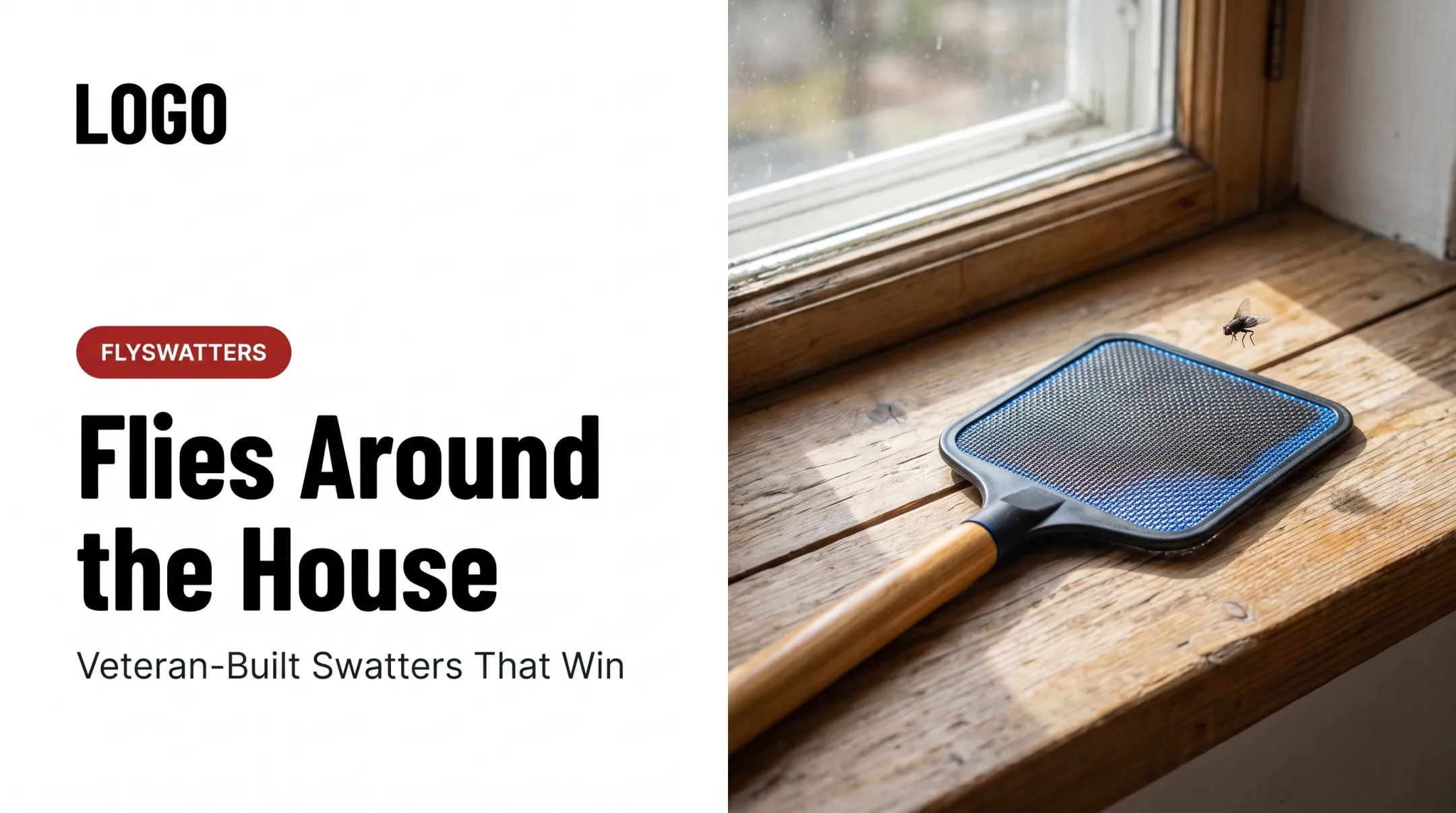
That's a cluster fly infestation. Unlike house flies, these pests don't breed in your kitchen trash. They overwinter inside your walls, which means the usual DIY tricks (sprays, traps, wishful thinking) rarely work.
This guide breaks down why cluster flies show up, the warning signs to watch for, and how to actually stop the annual cycle instead of just reacting to it every spring and fall.
TL;DR
- Cluster flies hibernate in wall voids and attics, reemerging on warm days through winter and spring
- Root causes: earthworm-linked lifecycle, sun-warmed walls, and gaps in the exterior
- Ignoring them means recurring swarms, stains, and dead-fly buildup that can draw in carpet beetles
- Prevention means sealing entry points before fall and swatting indoor flies—no spraying required
- Long-term control is a yearly habit, not a one-time fix
Common Causes of Cluster Flies
A cluster fly looks like a house fly that's had one too many. They're about 5/16 inch long, dull gray with black markings, and covered in fine golden hairs on the thorax (Penn State Extension).
They fly slowly and clumsily indoors. That sluggish habit is how they got their name: they gather in tight groups on walls, attics, and windows instead of scattering like house flies.
Their appearance indoors comes down to four overlapping factors: where they breed outside, when they seek shelter, how easily your house lets them in, and what happens on warm days after they're already inside.

Cause 1: Earthworm-Dependent Lifecycle
Cluster fly larvae are parasites of earthworms. Females lay eggs near earthworm burrow openings, and the hatching larvae actually enter the worms to develop before pupating and emerging as adults (UNH Extension).
- High earthworm activity in surrounding soil means more adult flies nearby
- Moist, organic-rich yards and lawns are the main outdoor breeding grounds
- Breeding pressure outside does not by itself predict how bad indoor entry will be
Cause 2: Seeking Winter Shelter
As temperatures drop, the final summer generation instinctively looks for protected voids — attics, wall cavities, soffits — to survive the winter (UNH Extension). You'll often see them massing on sun-warmed exterior walls in early autumn before they find a way inside.
Common staging spots before entry:
- South- and west-facing exterior walls
- Upper stories, eaves, and attic vents
- Siding seams and trim gaps warmed by afternoon sun
Cause 3: Unsealed Entry Points
Once flies are looking for shelter, gaps do the rest of the work. Documented entry routes include:
- Cracks around windows and doors
- Gaps in siding and fascia
- Utility pipe penetrations and chimneys
- Damaged or missing window screens
Older homes with worn caulking see this problem recur year after year, since the same gaps keep letting flies in each fall (Penn State Extension).

Cause 4: Warm-Day Reactivation
Sealing helps going forward, but flies already tucked into voids are still alive. On warm winter or early-spring days, they wake up, crawl out, and head for windows even though nothing new got inside (Penn State Extension).
That February "surprise" swarm usually isn't a new invasion. It's the same flies that moved in back in September.
What Happens If You Ignore the Problem
Left alone, cluster flies don't disappear on their own. Depending on region, they can produce three to four generations per season (Penn State Extension; Utah State Extension). More generations outside means more flies looking for shelter come fall.
Indoors, ignoring the issue tends to snowball:
- Recurring annual swarms through the same unsealed gaps
- Dark excrement spots on walls, curtains, and windowsills
- Dead flies accumulating inside wall voids
That dead-fly buildup is more than a mess. It's a documented food source for carpet beetles, which can multiply on accumulated dead insects (University of Kentucky Entomology).

Warning Signs You're About to Have a Problem
- Dense clustering on sunny exterior walls in early fall, especially south- and west-facing sides
- Sluggish flies at windows on warm days, a hallmark of an established overwintering population already inside
- Sudden mid-winter appearances near windows after weeks of no activity
How to Prevent Cluster Fly Infestations
Prevention isn't a one-time task. It's a seasonal routine, and the payoff is fewer swarms every year going forward.
1. Seal Entry Points Before Early Fall
Caulk cracks around windows, doors, siding, soffits, and utility penetrations. This removes the physical access flies need to reach wall voids in the first place. Timing matters. Migration windows vary by region, but a solid rule of thumb is to finish sealing by early-to-mid September, before seasonal shelter-seeking begins.
2. Screen and Repair Vents
Attic and soffit vents are often overlooked entry points. Install or repair wire screening on these during your late-summer home maintenance check. It's a small job that closes off a route flies use constantly.
3. Manage Lawn Moisture Near the Foundation
Reducing excessive irrigation near your foundation can limit the moist soil conditions earthworms need. Treating your lawn specifically to kill earthworms has not been shown effective at reducing indoor fly entry (Michigan State University Extension). Moisture management is a supporting habit, not a fix on its own.
4. Keep a Reliable Manual Elimination Tool on Hand
Sealing stops most flies, but a few will still get through, especially on that first warm day when dormant flies reactivate. This is where spraying indoors backfires: leftover residue and dead insects can attract the same carpet beetles mentioned earlier.
A heavy-duty flyswatter kept near windows and attic access points solves this without chemicals. We built the Slap-a-Fly™ for exactly this job:
- Herculite 80 MIL-SPEC synthetic strike surface rated at 80 PSI of impact force - enough force for large tough bugs like cockroaches, wasps, and armored insects - not just flies
- 5-ply aircraft spruce handle with a perforated head that cuts air resistance
- XL model with extended reach for attic access points and high windows
- Storage loop so you can hang it by the window where flies gather

That way it's ready the moment you need it, not buried in a drawer.
Tips for Long-Term Prevention and Control
Beyond the seasonal sealing routine, a few habits keep populations from creeping back:
- Inspect sun-exposed exterior walls every year before fall, when clustering usually starts
- Vacuum indoor flies instead of crushing them to avoid stains and odor
- Log yearly activity so you can spot and repair recurring entry points
- Hire a pro for high or hard-to-reach work on older or multi-story homes
Final Thoughts
Cluster fly problems trace back to identifiable causes: an earthworm-linked outdoor lifecycle, seasonal shelter-seeking, and gaps in your home's exterior. Consistent sealing, sensible moisture management, and a dependable swatter within reach keep numbers manageable. Get ahead of it before fall, and you'll trade annual surprise swarms for a mostly uneventful winter.
Frequently Asked Questions
How do I permanently get rid of cluster flies?
Permanent control comes from sealing entry points before fall, combined with vacuuming or swatting any flies that get inside. Insecticides offer limited long-term results against an established population.
Why do I suddenly have cluster flies?
Sudden appearances almost always mean flies already dormant in your wall voids are reactivating due to a warm, sunny day, not a new infestation.
Do cluster flies just disappear?
Most flies that get inside die naturally over winter. Survivors emerge outdoors in spring and restart the outdoor lifecycle in your yard rather than staying in your home.
Are cluster flies harmful to my home or health?
No. Cluster flies don't bite, don't breed indoors, and cause no structural damage (UNH Extension). They're a nuisance, not a health or safety risk.
When is the best time to seal my house against cluster flies?
Complete exterior sealing in late summer, well before your region's first cool snap. Once flies start actively seeking shelter, sealed gaps matter far more than sprays.
Does treating my lawn for earthworms stop cluster flies?
Not reliably. Killing lawn earthworms hasn't been shown to meaningfully reduce indoor fly entry, so it shouldn't be your primary strategy.