The frustrating part? These pests breed in about 8-10 days from egg to adult, according to Oklahoma State Extension. That means a small problem becomes a full infestation before you've even finished your coffee. Guesswork remedies waste precious days.
This guide covers the top store-bought traps, DIY methods backed by real testing, and how to pick the right one for your situation.
TL;DR
- Vinegar, wine, and commercial liquid/light traps catch fruit flies most reliably
- Store-bought traps win on convenience — little to no mixing or setup
- DIY apple cider vinegar + dish soap traps are the strongest homemade option
- Prevention matters as much as trapping — refrigerate produce, clean drains, empty trash daily
- A durable flyswatter like Slap-a-Fly handles any flies that traps miss
Understanding Fruit Flies and Why Traps Matter
Fruit flies (Drosophila melanogaster) are the tiny pests swarming your drains, trash, and fruit bowl. They're drawn to ripening or fermenting produce, garbage disposals, and empty bottles.
The breeding cycle is brutally fast. The University of Washington's Berg Lab reports a generation time of just 9-10 days under optimal conditions. Wait too long to act, and a few flies become several overlapping generations.
Common attractants, per University of Kentucky Extension:
- Ripened or fermenting produce (tomatoes, melons, grapes, bananas, onions)
- Garbage disposals and drains
- Empty bottles, cans, and recycling bins
- Damp mops and cleaning rags
Because DIY remedies vary wildly in effectiveness, the sections below rank what's proven to work — store-bought and homemade.
Best Store-Bought Fruit Fly Traps
Store-bought traps vary widely in catch rate and cleanup hassle. These picks prioritize tested performance, simple setup, and non-toxic ingredients.
STEM Flying Insects Light Trap
This plug-in trap uses a soft blue light and a dual-sided adhesive cartridge to capture flying insects without chemicals. Good Housekeeping tested it over several months in 2025 and awarded it the Good Housekeeping Seal. It is pet-safe, handles more than fruit flies alone, and the cartridge swaps out monthly with little mess.
| Price Range | Method | Best For |
|---|---|---|
| $19.99 (as listed by manufacturer) | Light + adhesive cartridge | Ongoing kitchen protection |

Aunt Fannie's FlyPunch
A pre-mixed liquid lure combining vinegar, sodium lauryl sulfate, and malic acid. Open the jar, set it out, and the lure works up to 30 days with no mixing.
| Price Range | Method | Best For |
|---|---|---|
| $7.98 for a 32-oz refill (5 jar refills) | Liquid lure jar | Fast, no-mess setup |
TERRO Fruit Fly Trap
A disposable liquid trap sold in multi-packs at most US retailers, purpose-built for fruit flies rather than general flying insects. Each unit arrives pre-filled and mess-free; TERRO's official specs rate lasting power up to 45 days per trap.
| Price Range | Method | Best For |
|---|---|---|
| $8.99 for a 2-pack | Disposable liquid trap | Multi-room placement |

Spinosad-Based Garden Spray (Outdoor Only)
Not a countertop trap — spinosad is an EPA-registered insecticide (cleared in 1997) used on outdoor produce where fruit flies cluster on ripening fruit. Applied exactly per label, it kills on contact in gardens and homestead plots without leaving a heavy chemical residue indoors.
| Price Range | Method | Best For |
|---|---|---|
| $16.99-$151.49 depending on size | Spray application | Outdoor gardens, homesteads |
Important: Outdoor crop control only. Never use it as a kitchen trap, and always read the current label before spraying near edible produce.
DIY Fruit Fly Traps That Actually Work
Not every homemade trap earns its reputation. These do.
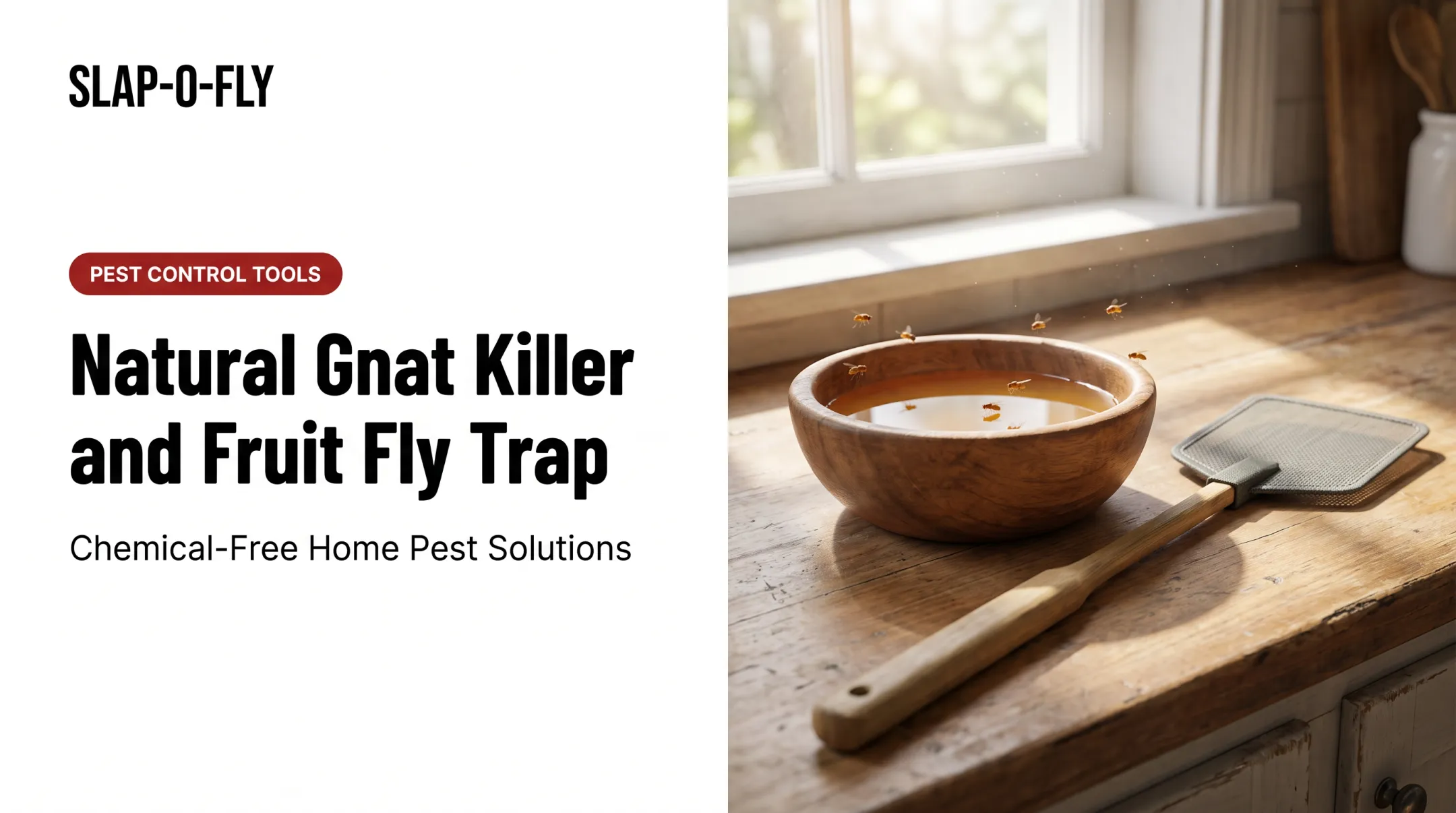
- Apple cider vinegar + dish soap: Fill a jar two-thirds with ACV, add 1–2 drops of dish soap to break the surface tension, and cover with plastic wrap pierced with about a dozen toothpick holes (Michigan State University Extension).
- Vinegar + bubble bait: Stir vinegar, a drop of dish soap, and hot water until sudsy, then leave the mix in an open jar or shallow dish near the infestation.
- Wine or stale beer trap: Leave a small amount in a narrow-necked bottle. The fermented scent lures flies in, but the narrow opening keeps them trapped.
- Paper cone trap: Roll paper into a cone over a jar baited with ripe fruit and vinegar, narrow end down, to block their exit path.

A quick note on freshness: MSU advises replacing bait daily. Stale bait loses its pull fast, so refresh traps often while an infestation is active.
How to Choose the Right Trap and Prevent Future Infestations
Match the tool to the problem. Light traps and liquid lures work best for ongoing, hands-off prevention. DIY vinegar traps are ideal for quick knockdowns when you spot a small cluster.
Even a solid trap choice falls short if daily habits keep inviting flies back.
Common mistakes that keep flies coming back:
- Relying on rotten fruit alone as bait (it rarely works well on its own)
- Ignoring trash cans and drains while focusing only on visible flies
- Treating one problem area and assuming the whole kitchen is covered
Trapping only handles adult flies. If breeding material sits untouched, you're refilling traps forever. Pair any trap with source elimination:
- Refrigerate ripe produce instead of leaving it on the counter
- Clean drains weekly with boiling water
- Seal trash and empty it daily during peak season

Even with traps working around the clock, a few flies always slip through between cleanings. That's where a durable flyswatter earns its place.
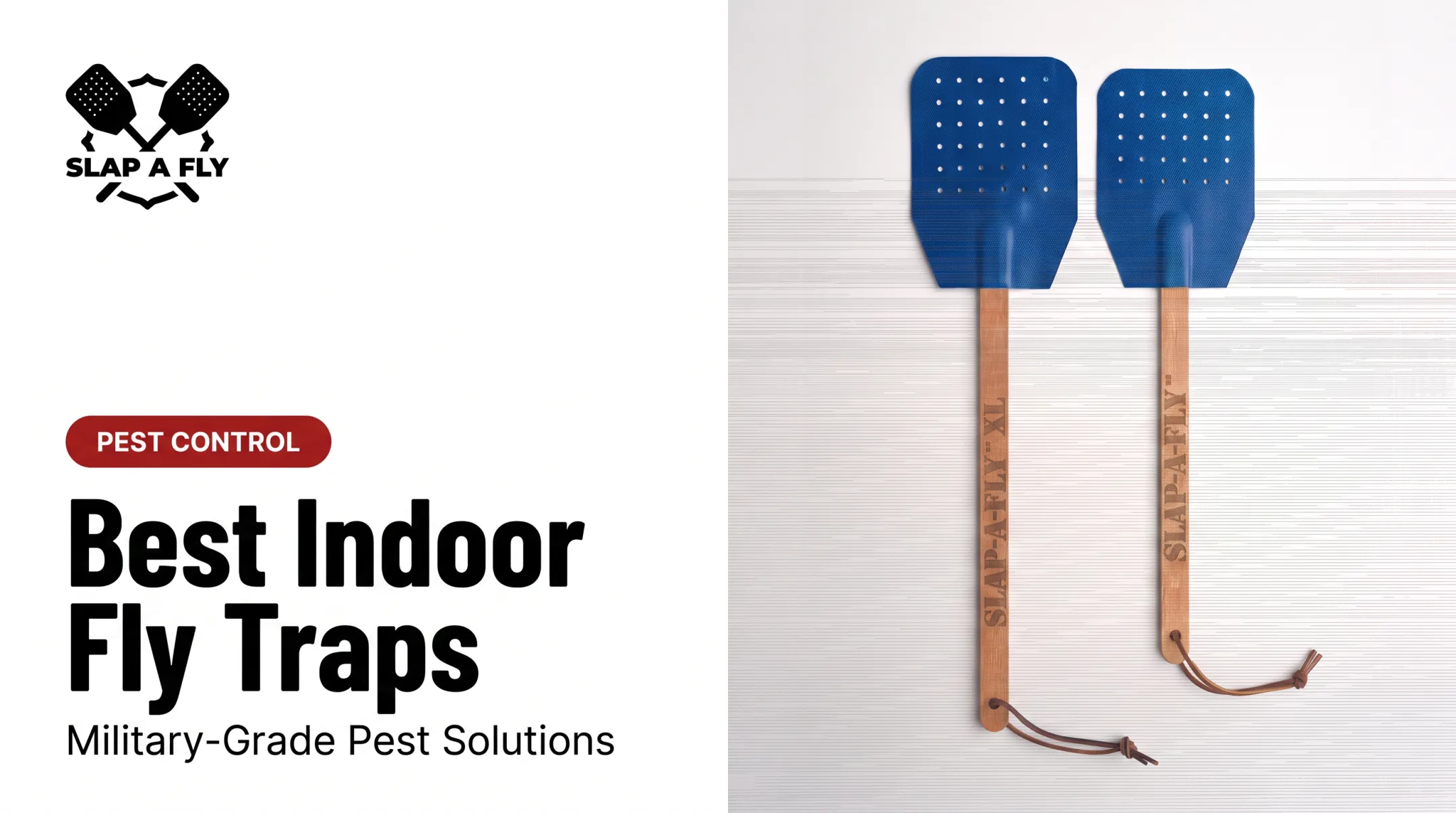
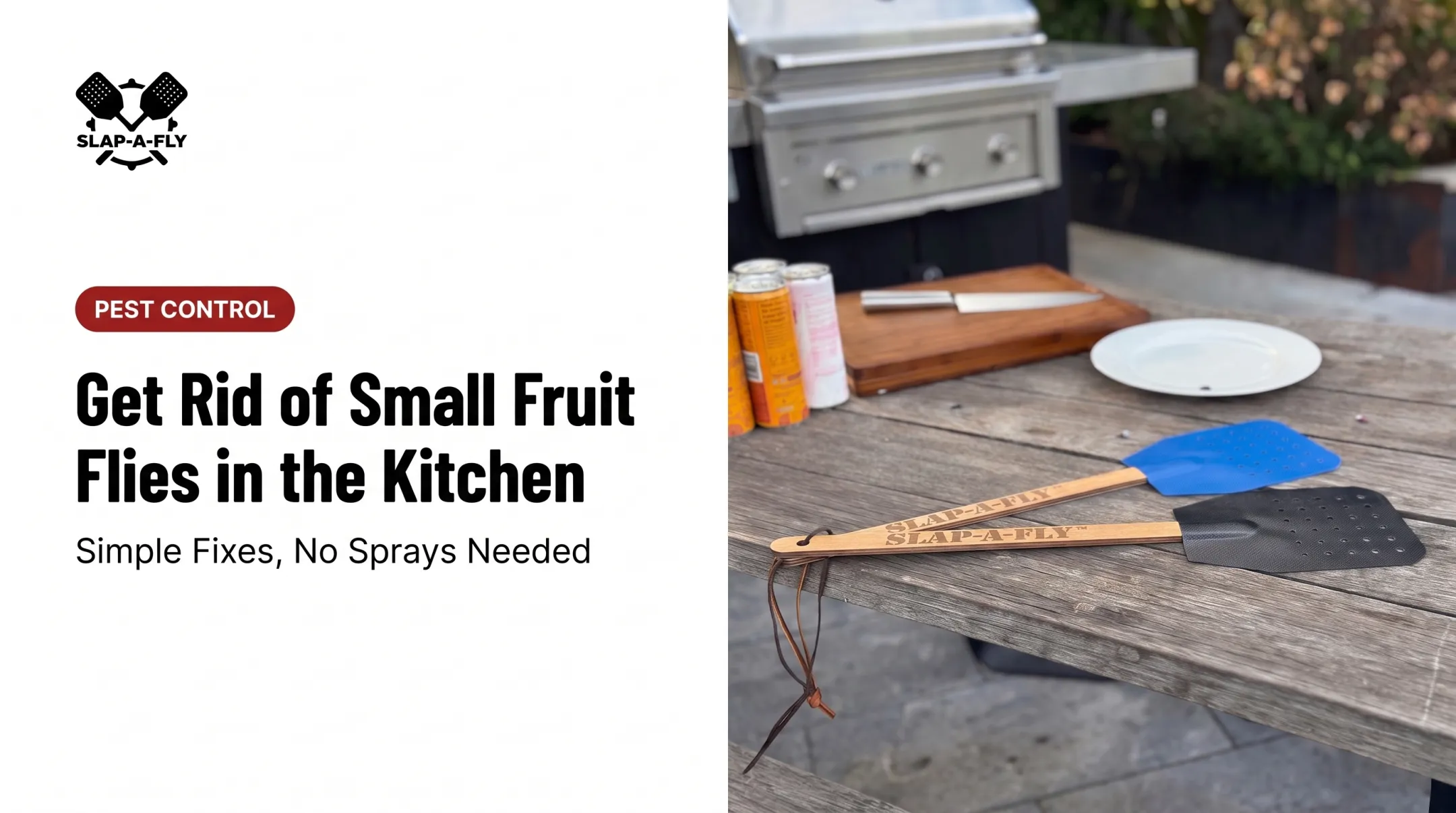
Slap-a-Fly's military-grade Herculite 80 striking surface delivers 80 PSI of impact force - enough force for large tough bugs like cockroaches, wasps, and armored insects - not just flies, backed by a 5-ply aircraft spruce handle and engineered by U.S. Army veterans. Escaped or newly hatched flies don't get a second chance while you're waiting on a trap to do its job.
Conclusion
There's no single miracle trap. The most effective long-term approach pairs a reliable store-bought or DIY trap with everyday prevention:
- Consistent kitchen hygiene and prompt cleanup
- Refrigeration of ripe produce
- Regular drain cleaning
- Tight trash management
Test one or two trap types side by side and track catch rates before you settle on one. Some kitchens respond better to liquid lures; others do better with a simple vinegar jar.
Between trap cleanings, Slap-a-Fly's veteran-designed, American-made flyswatter gives households and commercial kitchens a fast backup—single-strike elimination for the flies your traps miss.
Frequently Asked Questions
What is the most effective fruit fly killer?
Liquid lure traps and apple cider vinegar with dish soap beat rotten-fruit or milk baits. Both pull flies in fast with the same fermentation scent.
What's the best product to get rid of fruit flies?
Pre-made liquid traps like Aunt Fannie's FlyPunch or TERRO deliver strong catch rates with no mixing. Set them out and leave them alone.
How do you get rid of a severe fruit fly infestation?
Combine multiple traps placed near breeding sites (trash, drains, fruit bowls) with immediate removal of overripe produce and a thorough drain-cleaning session.
How do I get rid of fruit flies and keep them away?
Refrigerate produce, seal trash tightly, and run a weekly drain-cleaning routine. These three habits prevent the fermenting residue that fuels breeding.
What gets rid of fruit flies immediately?
A vinegar-dish soap trap starts working within hours. Swatting visible adults cuts the population now while the trap handles the rest.
What spray kills fruit flies instantly?
Spinosad-based sprays are recommended for outdoor garden infestations when used per label. For indoor use, source elimination and trapping remain the better-supported approach.