Kennel owners, boarding facilities, and homesteaders know the frustration well: you clean daily, and the flies still come back. That's because a single method rarely solves the problem. This guide breaks down the products and habits that actually work together to keep kennel fly populations under control.
TL;DR
- Layered defense wins — sanitation, traps or predators, repellents, and a durable manual swatter
- No single product eliminates kennel flies; combine methods for lasting control
- Put pet safety first — keep harsh chemicals away from dogs, bowls, and bedding
- Rank options by kill rate, safety around pets, and durability in wet kennel conditions
Understanding Fly Problems in Dog Kennels
Kennels are practically a fly nursery. Waste, spilled food, and standing moisture create the exact warm, organic conditions flies need to breed, and heat speeds up the whole process.
Under optimal summer conditions, house flies can go from egg to adult in as little as 7 days, with females laying 350 to 900 eggs over their lifetime. That means a single missed cleanup can snowball into a full infestation within a week or two.
Two species matter most in kennel settings:
- House flies — breed in manure, wet bedding, and food waste; linked to disease transmission
- Stable flies — biting flies with a 21-day life cycle and painful, bayonet-like mouthparts
Left unchecked, both contribute to fly-strike dermatitis, where repeated biting irritates and damages skin layers, especially around ears and bellies. Continuous prevention keeps the problem manageable. Below is what actually works in kennel settings.

Top Fly Control Solutions for Dog Kennels
We evaluated each option on effectiveness, pet safety, durability, and how easy it is to maintain in a working kennel.
Slap-a-Fly™ Military-Grade Flyswatter
When a fly breaches your traps and lands on a wall, feeder, or dog run, you need a tool that kills it in one strike with no chemicals and no wait time. Slap-a-Fly™ is built for that job.
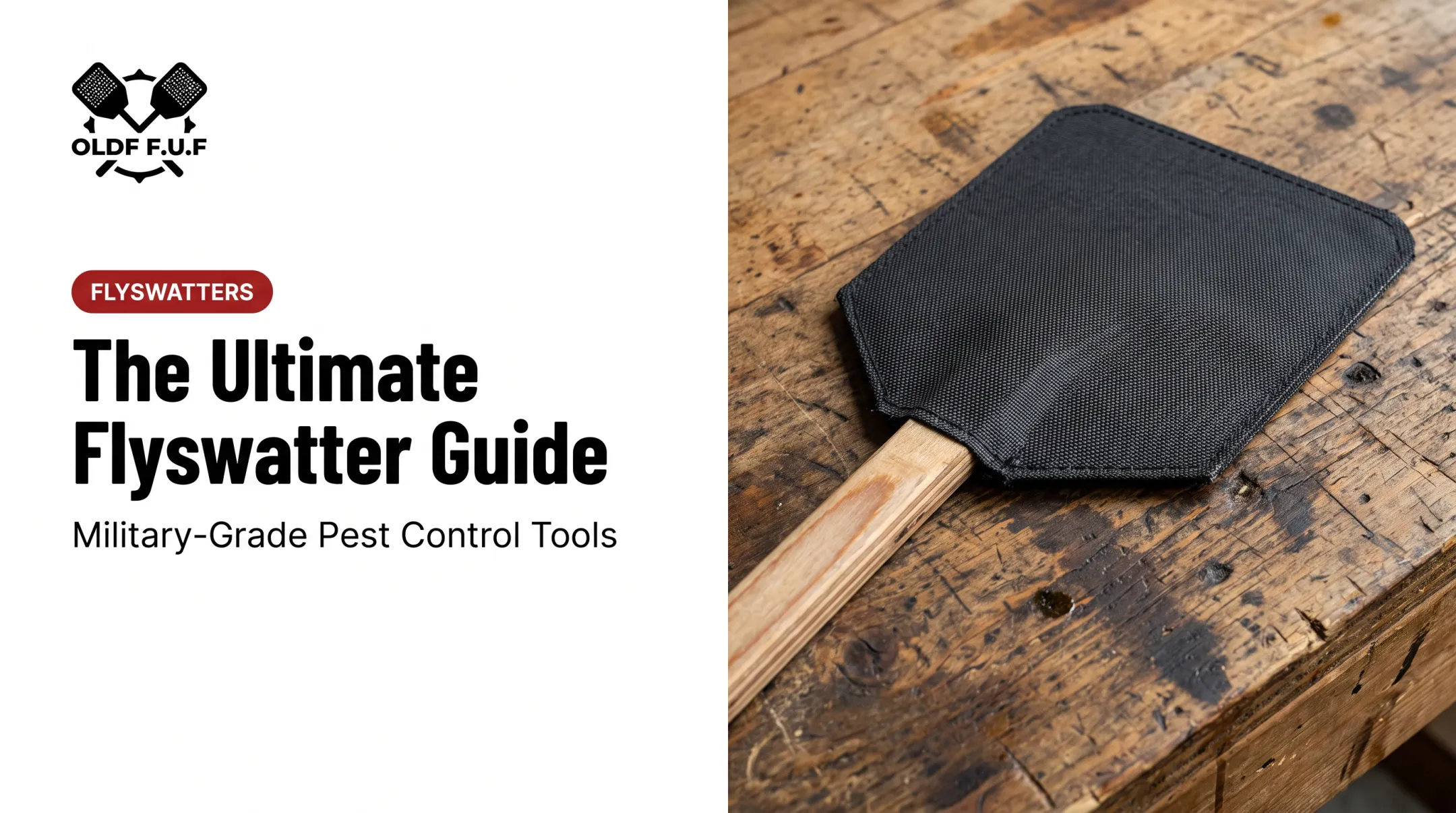
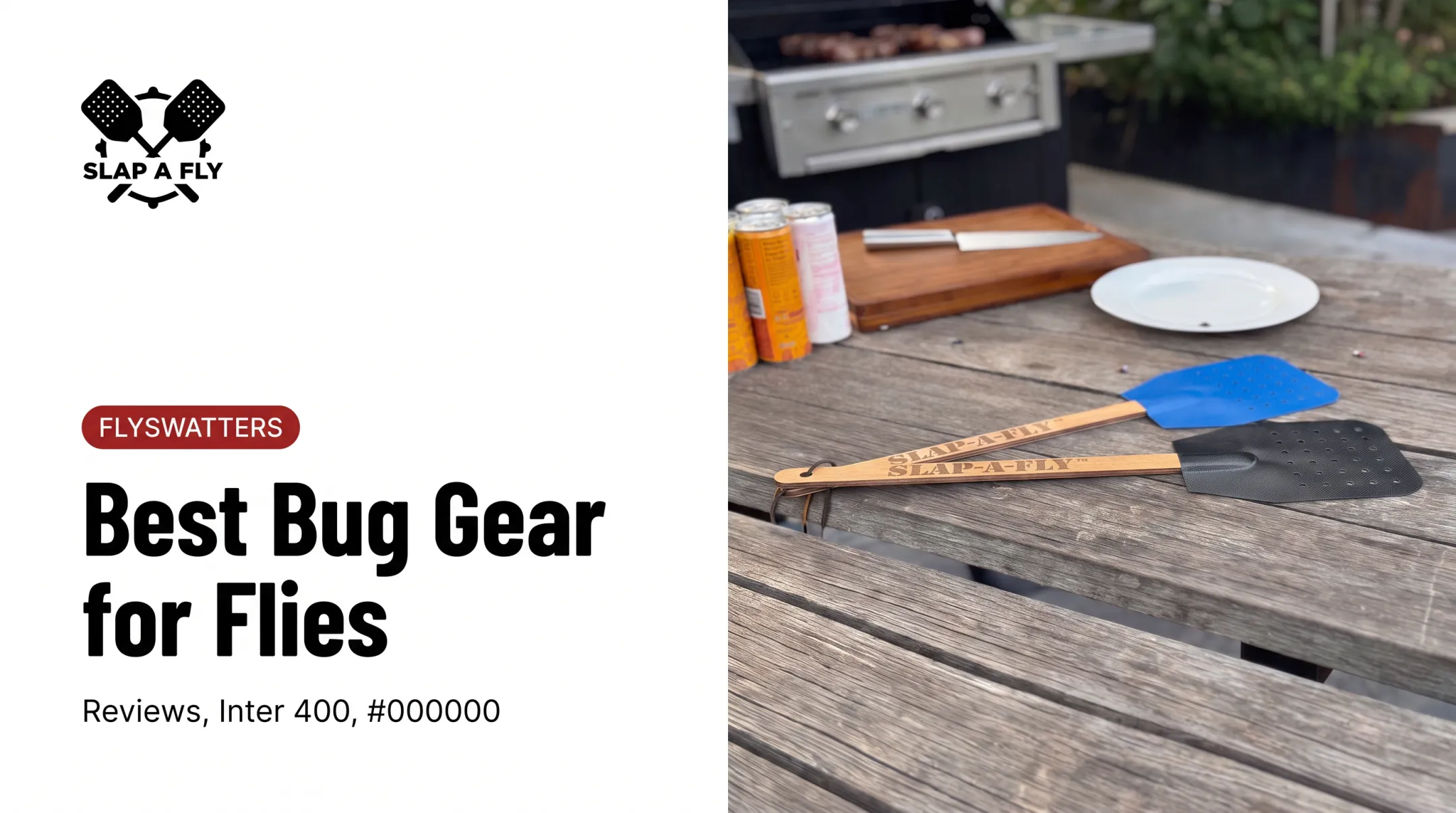
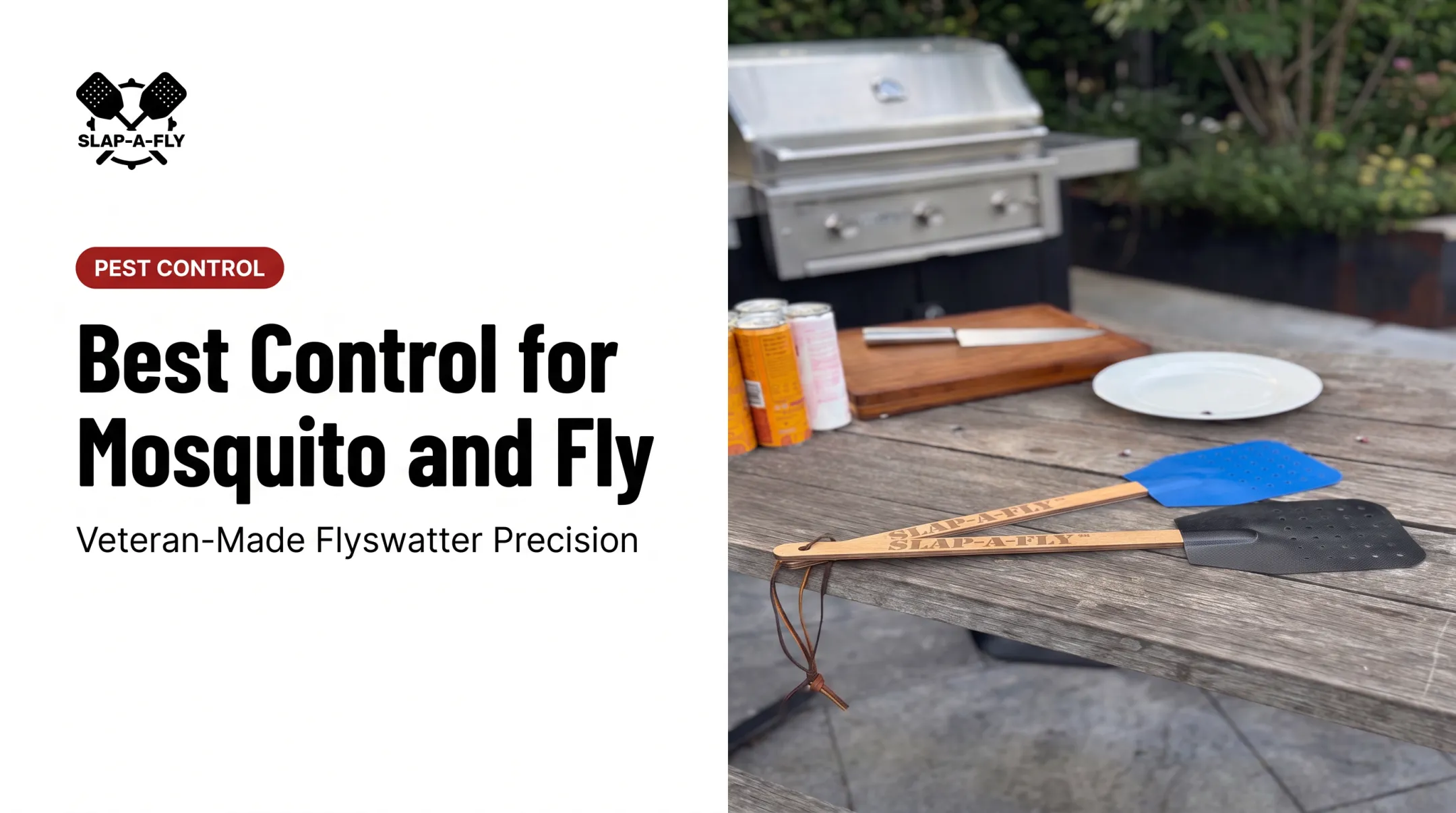
Designed by U.S. Army veterans and made in the USA, it uses Herculite 80 MIL-SPEC fabric rated at 80 PSI impact force - enough force for large tough bugs like cockroaches, wasps, and armored insects - not just flies - and a 5-ply aircraft spruce handle for balance and control. The XL model adds reach so you can stay farther from aggressive stable flies.
Both models are 100% vegan and include a storage loop for hanging near feeding stations or kennel entrances.
| Feature | Detail |
|---|---|
| Key Features | Perforated Herculite 80 strike surface, 80 PSI impact, 5-ply aircraft spruce handle |
| Best Use Case | Manual, chemical-free elimination in kennels, runs, and feeding areas |
| Durability | Built to withstand thousands of strikes without failing |
Slap-a-Fly doesn't replace sanitation or traps. It finishes the flies your other defenses miss.

Sticky Fly Traps (e.g., EZ Fly Traps)
These insecticide-free adhesive traps passively capture adult flies in high-traffic zones. A dairy-calf facility study found large sticky traps reduced stable fly counts by roughly 14,000 per week.
That figure comes from a livestock setting, not a dog kennel, so treat it as monitoring data rather than a guarantee.
| Feature | Detail |
|---|---|
| Key Features | Rainproof adhesive, no odor, works indoors or outdoors |
| Best Use Case | Passive capture in shaded or sunny kennel corners |
| Limitation | Needs frequent replacement during heavy infestations |
Position traps above dog reach and away from bedding and food bowls.
Fly Predators (Beneficial Insects)
These microscopic parasitic wasps target fly larvae before they mature, and they don't bite or sting dogs. The University of Kentucky notes they're most effective as a supplement, not a standalone fix, since most breeding material still needs to be removed by hand.
| Feature | Detail |
|---|---|
| Key Features | Shipped as pupae, released monthly near waste areas |
| Best Use Case | Long-term population control in outdoor kennel runs |
| Limitation | Requires reapplication every 3-4 weeks in warm months |
Doggie Dooley In-Ground Waste Disposal System
This septic-style system uses bacteria and enzymes to break down waste underground. It removes the biggest fly breeding ground on your property: exposed feces.
| Feature | Detail |
|---|---|
| Key Features | Bacteria/enzyme-based waste breakdown, buried installation |
| Best Use Case | Homesteads and backyard kennels with a dedicated waste area |
| Limitation | Doesn't perform well in heavy clay soil, high water tables, or cold temperatures |
Pet-Safe Fly Repellent Sprays
Topical sprays can help protect individual dogs prone to fly-bite dermatitis, but only when labeled specifically for canine use.
The EPA warns against using any repellent on animals unless the label explicitly says it is safe for pets. The AVMA also recommends matching the label's species and weight range exactly.
| Feature | Detail |
|---|---|
| Key Features | Direct coat/ear application, can be combined with barrier ointments |
| Best Use Case | Protecting dogs with a history of fly-bite dermatitis |
| Limitation | Requires vet consultation and frequent reapplication |

How We Chose the Best Fly Control Options
The most common mistake kennel operators make is relying on just one method, usually sprays alone, instead of layering defenses. We evaluated every product on:
- Pet safety: nothing recommended without a labeled, vet-appropriate use case
- Kennel-specific durability: built for daily wear, not disposable use
- Chemical-free options: prioritized wherever they stay effective
- Ease of maintenance: realistic for busy kennel schedules
House flies can produce six to eight generations per year, and females lay eggs in clusters of 75–150 at a time. Reactive treatment can't keep pace with that reproduction rate. Proactive, multi-method control is the approach that holds up over a full season.
Preventive Habits That Reduce Fly Attraction
Good habits do more heavy lifting than any single product.
- Remove waste daily. Fresh, moist manure is prime breeding material. The longer it sits, the more attractive it becomes.
- Wash food and water bowls regularly. Residue left in bowls draws flies just as effectively as waste does.
- Install trench drains or hard, hosable flooring. Moisture buildup at concrete interfaces is a commonly overlooked breeding spot.
- Bring dogs indoors during peak fly hours. Both house flies and stable flies are most active from mid-morning through early afternoon in warm months.
Federal guidelines for dog enclosures require waste removal at least daily, with more frequent removal whenever accumulation, odor, or pest buildup occurs. That standard is a solid baseline even for private kennels.

Conclusion
There's no single fix for kennel flies. Effective control means combining daily sanitation, passive tools like traps or fly predators, and a dependable manual option for instant elimination when something slips through.
Take stock of your specific fly pressure. A rural homestead with stable flies needs a different mix than a boarding facility dealing mostly with house flies, so rotate your methods as the season changes.
When a fly does make it past your other defenses, a durable, military-grade flyswatter like Slap-a-Fly™ gives you a fast, chemical-free way to strike back.
Frequently Asked Questions
How do I get rid of flies around dog kennels?
Combine daily waste removal, sticky traps or fly predators for ongoing suppression, and a heavy-duty flyswatter for spot elimination. Together, these cover both breeding prevention and adult fly control.
What smells keep flies away from dog kennels?
Citronella, eucalyptus, and clove-based scents are commonly used, but effectiveness is temporary. Eucalyptus is specifically classified as toxic to dogs by the ASPCA, so confirm any scent-based option with your vet first.
Are chemical fly repellents safe for dogs in kennels?
Only products explicitly labeled as pet-safe and vet-approved should be used. The EPA advises against applying any repellent to animals unless the label clearly states it's formulated for that purpose.
How often should kennels be cleaned to prevent fly infestations?
Remove waste multiple times daily and fully disinfect surfaces at least once a day during warm months. Fresh manure and food residue are the fastest routes to a fly outbreak.
Do fly predators actually work in dog kennels?
Yes, for long-term control. They target larvae before flies mature, need consistent monthly releases through the breeding season, and work best alongside manual sanitation—not instead of it.
Can a flyswatter help control flies in a kennel setting?
Yes. A heavy-duty flyswatter knocks down adult flies instantly without chemicals. It fills the gap when traps and prevention miss a few.